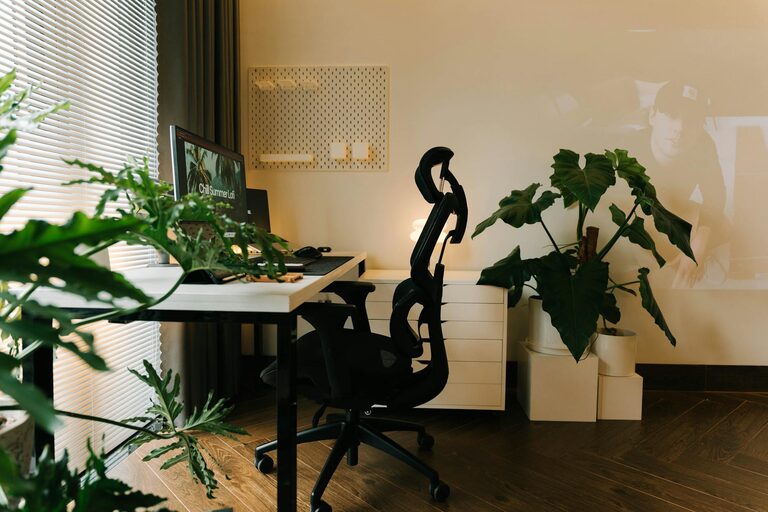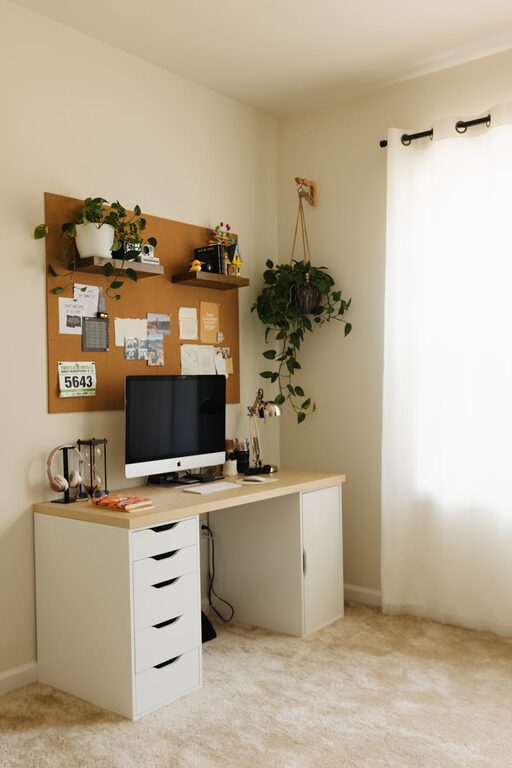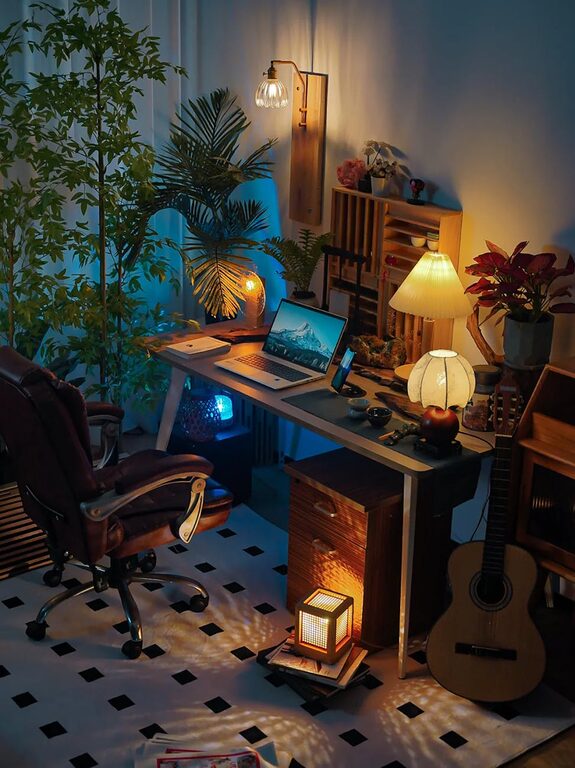
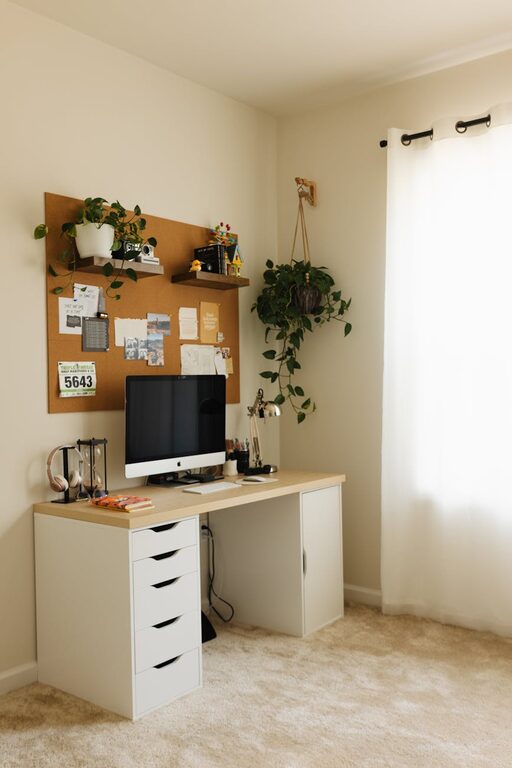

Creating a cozy and inviting home office space is essential for maintaining focus, motivation, and well-being throughout your workday. Whether you work from home full-time or need a dedicated spot for occasional tasks, a thoughtfully designed workspace can make all the difference. Here are some helpful tips to design a home office that feels comfortable, welcoming, and conducive to productivity.
Choose the Right Location
Selecting the ideal place for your home office sets the foundation for your space.
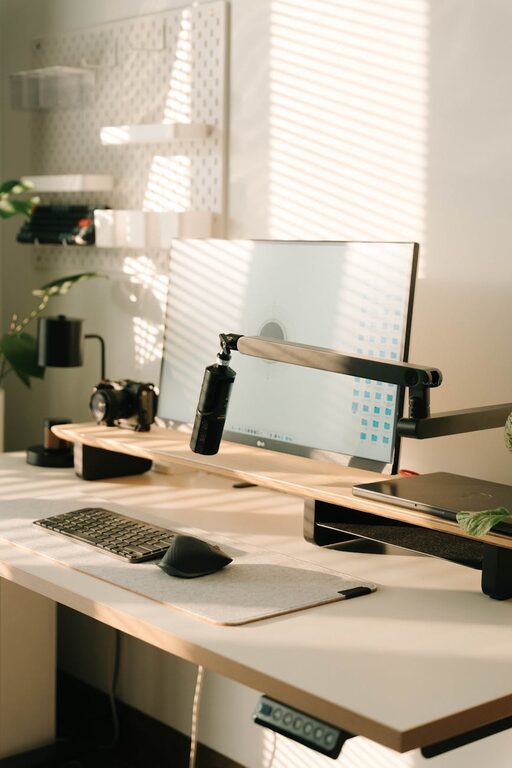
– Natural Light: Aim to place your desk near a window to benefit from natural light. It reduces eye strain and adds warmth to the room.
– Quiet Area: Choose a quiet corner or room to minimize distractions and noise.
– Space Considerations: Ensure you have enough space for your desk, chair, and storage without feeling cramped.
Invest in Ergonomic Furniture
Comfort is key to a productive work environment.
– Ergonomic Chair: Choose a chair that supports your posture with adjustable height and lumbar support.
– Desk Height: Your desk should allow you to keep your elbows at a 90-degree angle while typing.
– Adjustable Options: Consider sit-stand desks to alternate between sitting and standing during the day.
Personalize Your Workspace
Adding personal touches can make your office feel more inviting and inspire creativity.
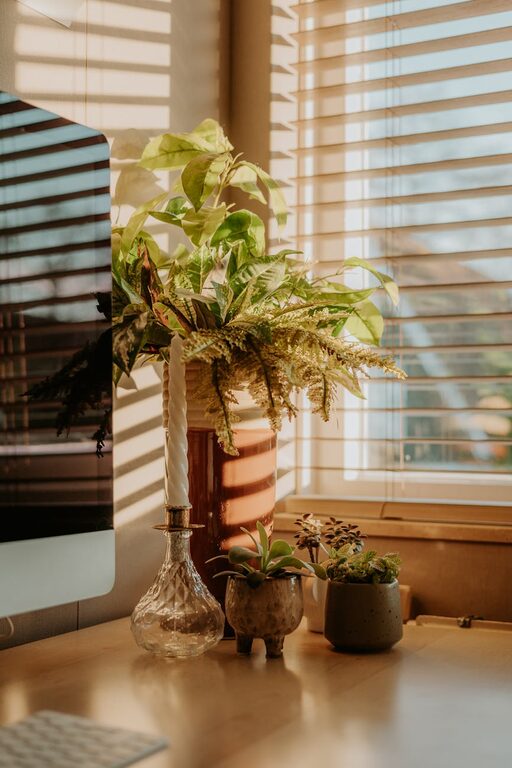
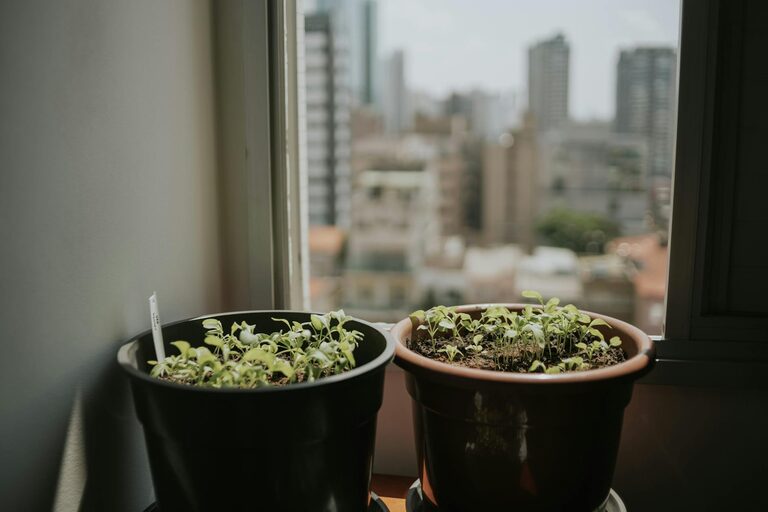
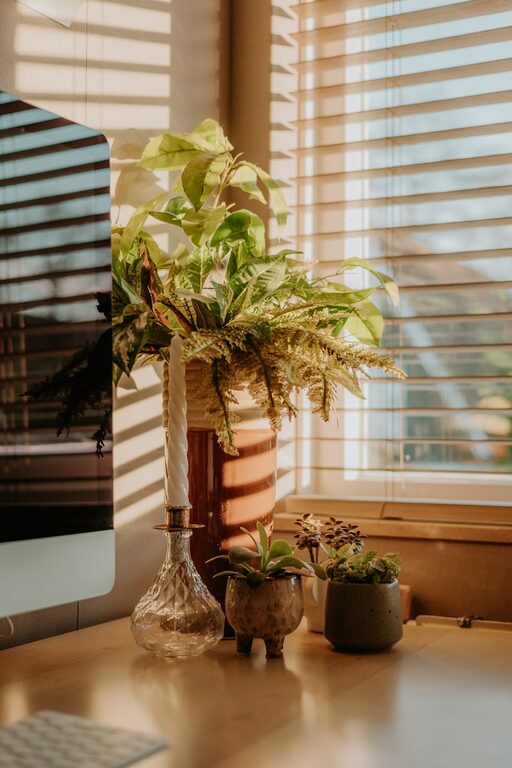
– Decor: Use artwork, photos, or plants that bring you joy.
– Colour Scheme: Choose calming colours like soft blues, greens, or warm neutrals.
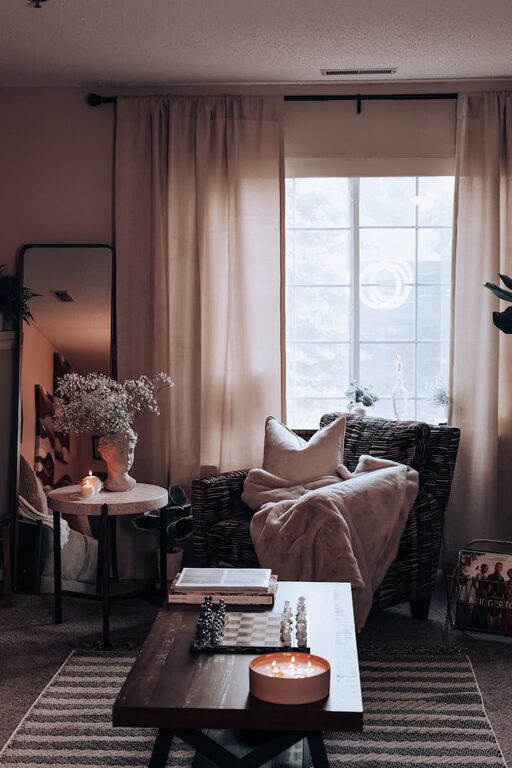
– Textiles: Incorporate a cozy rug, cushions, or a throw blanket to soften the space.
Organize Efficiently
A clutter-free environment reduces stress and helps you stay focused.
– Storage Solutions: Use shelves, filing cabinets, or baskets to keep supplies organized.
– Cable Management: Tidy cables with clips or sleeves to avoid a tangled mess.
– Desk Accessories: Keep only essentials on your desk to maximize workspace.
Lighting Matters
Proper lighting improves comfort and reduces fatigue.
– Layered Lighting: Combine natural light with ceiling lights and task lamps.
– Adjustable Task Lighting: Use a desk lamp with adjustable brightness and position.
– Avoid Glare: Position your screens and lights to prevent reflections on your monitor.
Incorporate Plants and Nature
Bringing elements of nature indoors can enhance mood and air quality.
– Easy-care Plants: Choose low-maintenance plants like succulents or snake plants.
– Air Purifying: Certain plants help clean the air, creating a fresher environment.
– Visual Breaks: Greenery offers a pleasant visual break, reducing eye strain.
Manage Noise Levels
Creating a quiet environment promotes concentration.
– Soundproofing: Use rugs, curtains, or wall panels to absorb sound.
– Background Noise: Consider soft background music or white noise for focus.
– Headphones: Noise-cancelling headphones can block distractions.
Maintain a Routine and Comfort Items
Small habits and comforts keep you motivated.
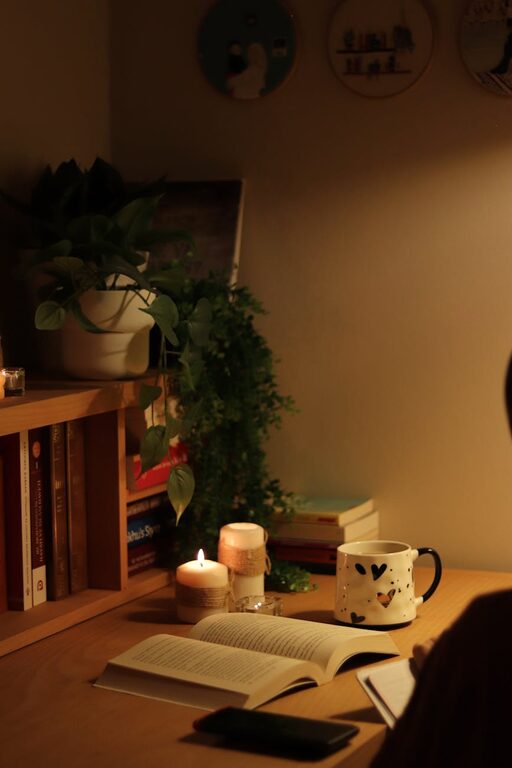
– Break Area: Set up a small space with a comfortable chair or cushion for breaks.
– Hydration and Snacks: Keep water and healthy snacks close by.
– Routine: Establish a daily schedule to separate work time from personal time.
Conclusion
Designing a cozy and inviting home office is about balancing functionality with comfort. By carefully choosing your location, investing in ergonomic furniture, personalizing your space, and organizing effectively, you can create a workspace where productivity and well-being thrive. Remember to incorporate good lighting, natural elements, and noise management to further enhance your environment. With these tips, your home office will become a place you look forward to spending time in each day.