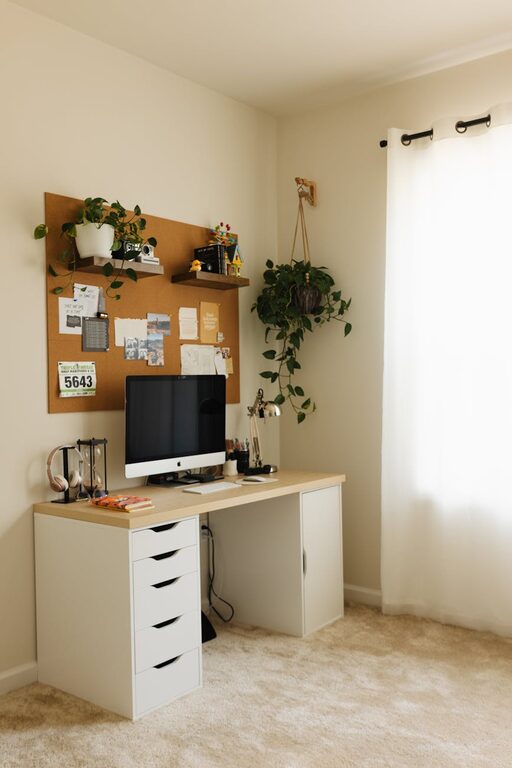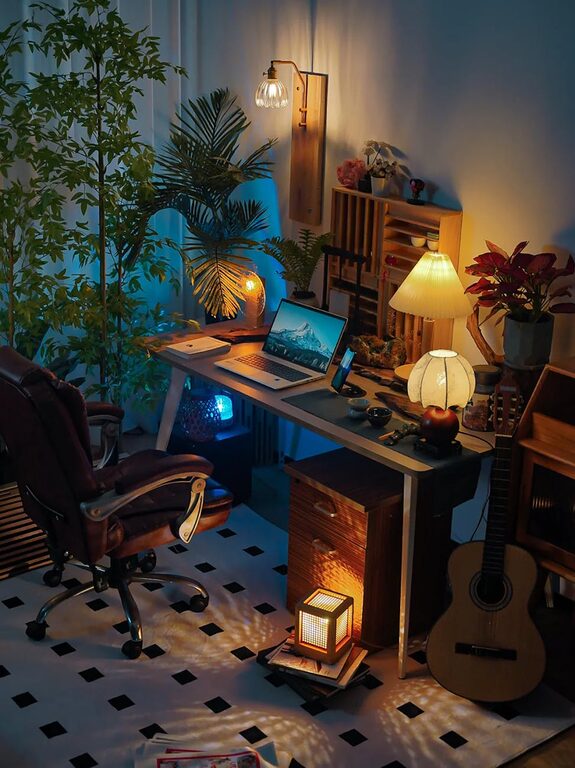
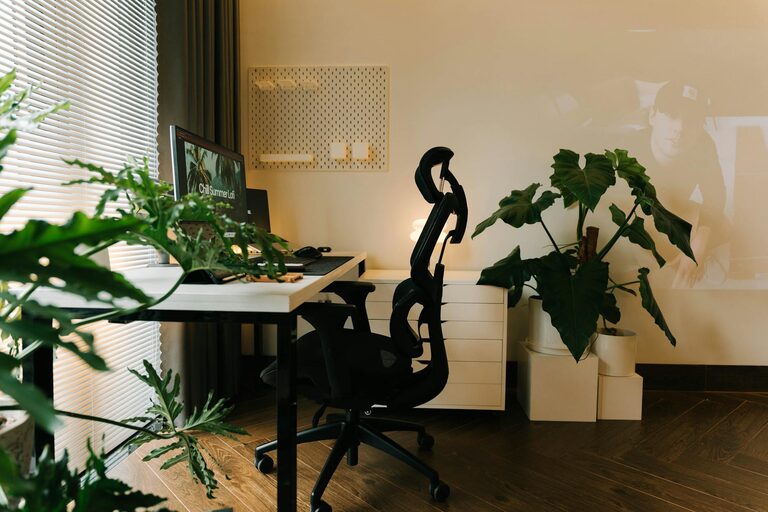

Creating a peaceful and comfortable home office environment is essential for staying focused and productive, especially when working remotely. Your workspace plays a significant role in how motivated and efficient you feel during the day. Fortunately, setting up a relaxing home office doesn’t require a complete overhaul — small adjustments can make a big difference.
In this article, we’ll share practical tips and ideas to help you design a home office space that supports both productivity and relaxation.
Why a Relaxing Home Office Matters
Before diving into tips, it’s important to understand why a calming workspace is beneficial. When your office feels cluttered, noisy, or uncomfortable, it can distract you and increase stress. A relaxing environment, on the other hand:
– Boosts focus and creativity
– Reduces stress and fatigue
– Encourages better posture and physical health
– Improves overall work satisfaction
With these benefits in mind, creating a home office tailored to your needs is a worthwhile investment.
Choose the Right Location
Find a Quiet Spot
Select a space that is away from household distractions and noise. This might be a spare room, a corner of the living room, or even a nook near a window. The quieter the space, the easier it is to concentrate.
Maximise Natural Light
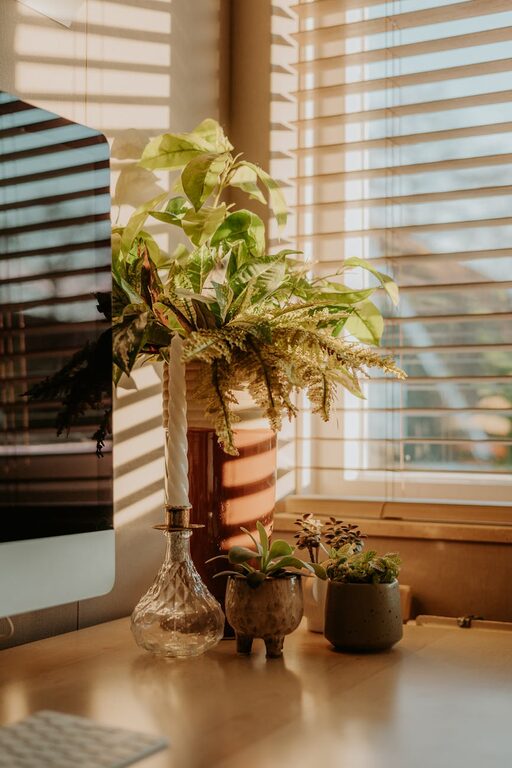
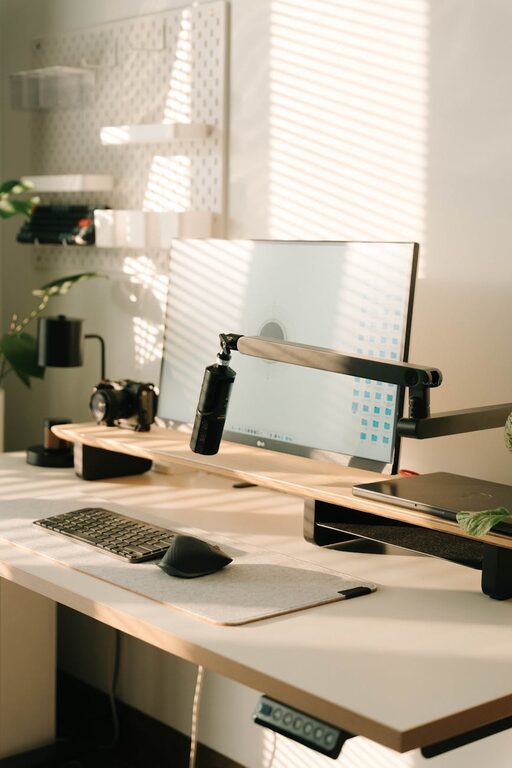
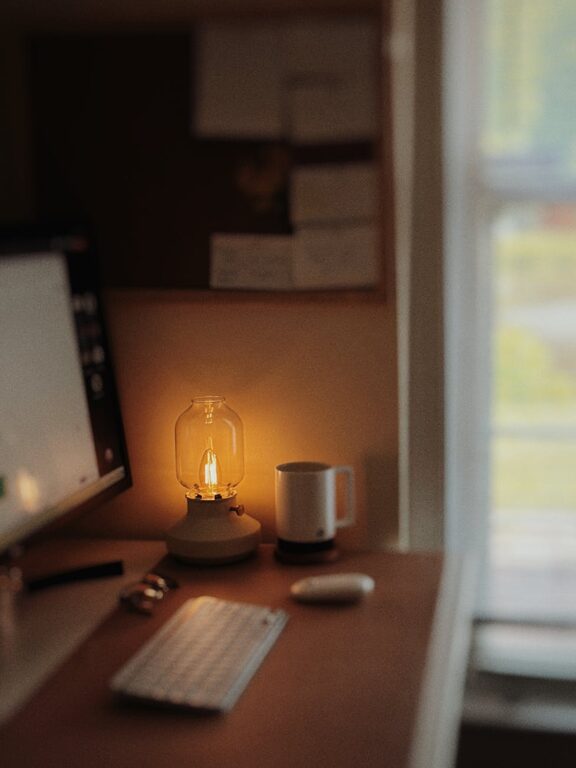
Natural light has a calming effect and helps regulate your body’s rhythm. Position your desk near a window where you can enjoy daylight without glare on your screen. If natural light is scarce, use warm, adjustable lighting to create a cozy atmosphere.
Invest in Comfortable Furniture
Ergonomic Chair and Desk
Comfortable seating is key to avoid aches and maintain productivity. Choose an ergonomic chair that supports your back and encourages good posture. Pair it with a desk at an appropriate height to reduce strain on your wrists and shoulders.
Add Soft Textures
Incorporate cushions, a soft rug, or a cozy throw blanket. These elements make the space inviting and help reduce the sterile feeling of a typical office.
Organise and Declutter
Keep Essentials Within Reach
Arrange frequently used items like your laptop, notebooks, and pens in easy-to-access places. This avoids unnecessary interruptions when you need to find something.
Use Storage Solutions
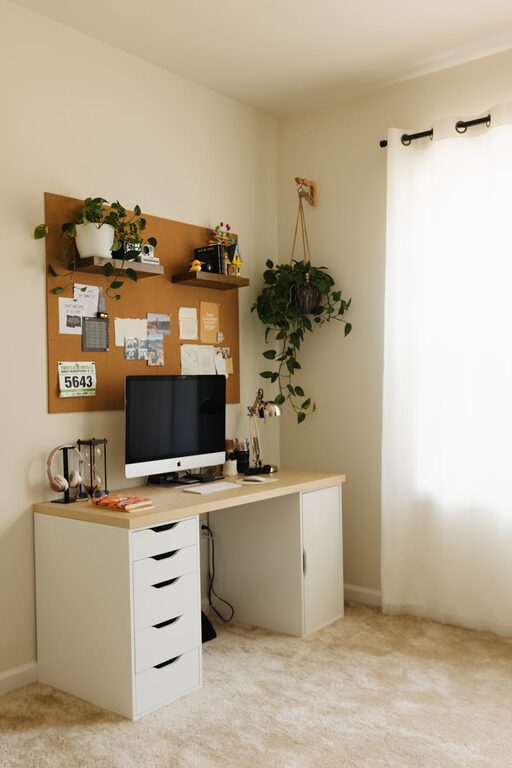
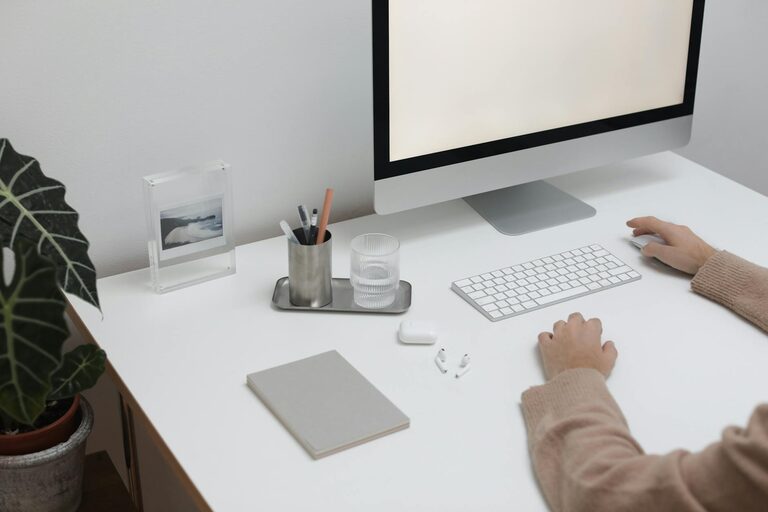
Use shelves, drawers, or boxes to keep papers and accessories tidy. A clutter-free workspace reduces distractions and creates a peaceful environment.
Incorporate Relaxing Elements
Plants for Freshness and Calm
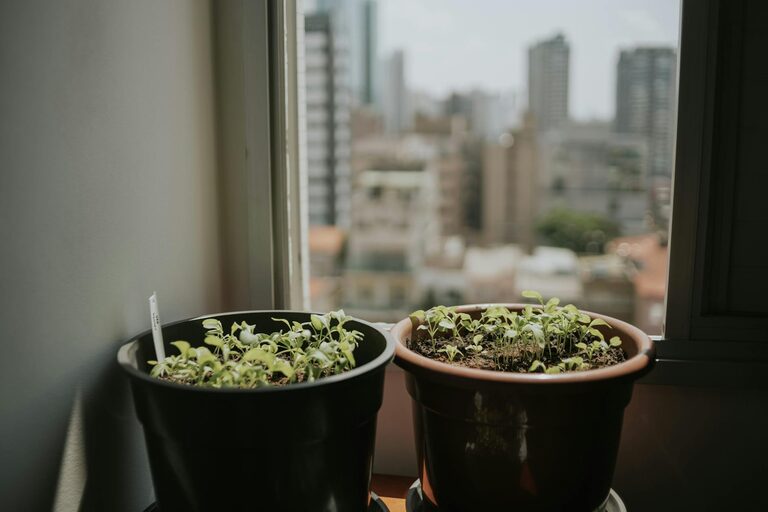
Adding some greenery to your office can improve air quality and bring a sense of calm. Choose low-maintenance plants like succulents or snake plants that thrive indoors.
Personal Touches
Display meaningful artwork, photos, or items that inspire you. These touches make your workspace feel personal and welcoming without overwhelming it.
Aromatherapy
Consider using a diffuser or scented candles with mild fragrances like lavender or citrus. Pleasant scents can improve mood and focus.
Manage Noise Levels
Use Noise-Cancelling Headphones
If you have a noisy household or neighbours, noise-cancelling headphones can help you stay focused on your tasks.
Play Background Music
Soft instrumental music or ambient sounds, such as rain or ocean waves, can soothe your mind and block out unwanted noise.
Establish a Routine
Having a daily routine can help your brain associate your home office with work mode. Start your day with a short ritual like making tea or reviewing your to-do list to mentally prepare for work.
Take Regular Breaks
Incorporate short breaks to stretch, breathe deeply, or step outside for fresh air. This helps to reset your focus and prevents burnout.
Maintain Good Air Quality and Temperature
Ensure your office is well-ventilated and at a comfortable temperature. Fresh air helps keep your mind sharp and energy levels up throughout the day.
Technology and Screen Setup
Adjust Screen Brightness and Position
Avoid eye strain by positioning your monitor at eye level and adjusting brightness to match the room’s lighting.
Use Blue Light Filters
Consider blue light filter glasses or apps to reduce eye fatigue, especially if you work late.
Final Thoughts
Designing a relaxing home office environment is about balancing comfort and functionality. By choosing the right location, investing in quality furniture, organising your space, and adding calming elements, you can create a workspace that motivates and relaxes you simultaneously. Remember, your home office should reflect your personal needs and preferences, making it a place where you enjoy spending your workday.
With these tips, you’re well on your way to transforming your home office into a sanctuary of productivity and comfort. Happy working!