


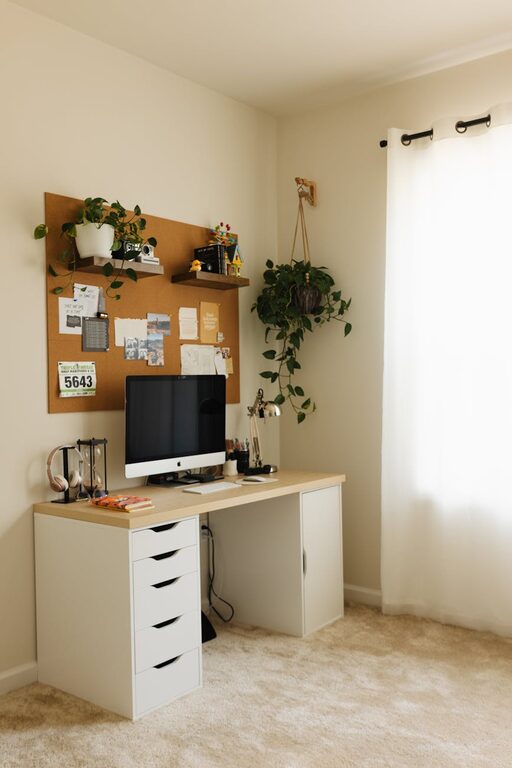

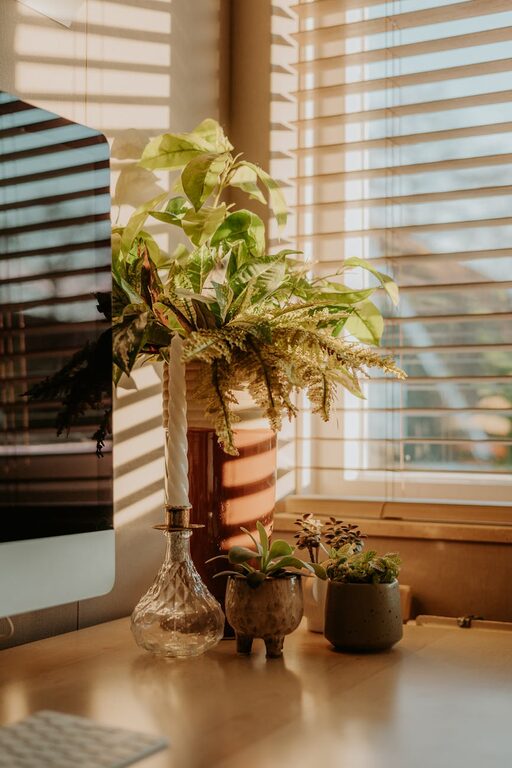


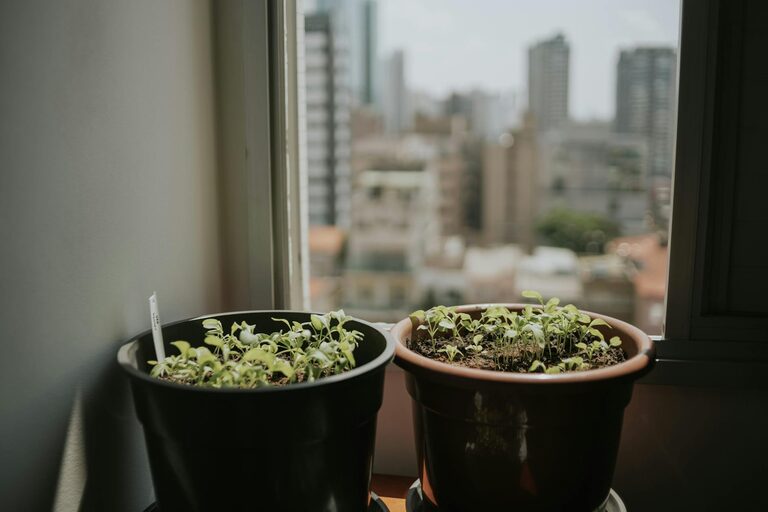
Creating a sustainable home garden is a rewarding way to enjoy fresh produce, enhance your living space, and contribute positively to the environment. Whether you live in a large house with a backyard, a small apartment, or a sunny balcony, you can design a garden that adapts to your space and lifestyle. This guide offers practical, easy-to-follow tips for growing a sustainable garden that fits any living environment.
Understanding Sustainable Gardening
Sustainable gardening means using methods that support ecological balance and reduce harm to the environment. This approach focuses on conserving resources, improving biodiversity, and minimizing waste and chemicals.
The benefits include:
– Reduced environmental impact
– Healthier, pesticide-free crops
– Lower water and energy use
– Increased wildlife habitat
– Cost savings over time
Planning Your Garden According to Space
Assess Your Available Space
Start by evaluating the space you have—whether it’s a patch of soil, a balcony, a windowsill, or a rooftop. Note where sunlight hits during the day, available water access, and room for containers or soil beds.
Choose the Right Garden Type
– Container Gardens: Ideal for balconies, patios, or small indoors spaces, using pots, trays, or grow bags.
– Vertical Gardens: Space-saving option using wall-mounted planters or trellises to grow climbing or hanging plants.
– Raised Beds: Great for backyard spaces or rooftop gardens, these offer good soil control and drainage.
– Indoor Herb Gardens: Perfect for kitchens or windowsills, herbs like basil, thyme, and mint thrive indoors.
Selecting Sustainable Materials and Tools
Use Recycled or Natural Materials
Opt for containers made from recycled plastic, wood, or ceramic rather than new plastic pots. Natural soil and organic compost boost soil health without synthetic chemicals.
Invest in Efficient Tools
Use hand tools and water-efficient irrigation systems like drip irrigation or self-watering planters to conserve water.
Soil Health and Fertilization
Build Healthy Soil
Healthy soil is the foundation of a sustainable garden. Use organic compost, mulch, and natural amendments like coffee grounds or eggshells to enrich the soil.
Avoid Chemical Fertilizers
Choose organic fertilizers or make your own compost. This keeps harmful chemicals out of your garden and local environment.
Water Conservation Strategies
Collect and Reuse Water
Rainwater harvesting using barrels is a great way to conserve water. Also, reuse kitchen water (from washing veggies) when safe.
Water Wisely
Water plants early in the morning or late in the evening to reduce evaporation and focus watering at the soil base rather than the leaves.
Choosing Plants for Sustainability
Native and Adapted Plants
Select plants that naturally thrive in your climate and require less water and care. Native flowers and vegetables often attract beneficial insects.
Mix of Edibles and Ornamentals
Incorporate a variety of vegetables, herbs, and flowers. Flowers like marigolds can help repel pests and support pollinators.
Companion Planting
Pair compatible plants to improve growth and reduce pests naturally. For example, planting basil near tomatoes.
Sustainable Pest and Weed Management
Natural Pest Control
Use beneficial insects like ladybugs or neem oil sprays instead of chemical pesticides.
Manual Weed Removal
Pull weeds by hand and use mulch to suppress weed growth, reducing the need for herbicides.
Composting and Waste Reduction
Compost Your Kitchen and Garden Waste
Turn vegetable scraps, leaves, and grass clippings into nutrient-rich compost that feeds your garden and reduces landfill waste.
Reduce Plastic Waste
Plan your plant purchases to prevent excess packaging and recycle or repurpose containers when possible.
Seasonal Rotation and Maintenance
Rotating crops seasonally improves soil health and breaks pest cycles. Regular maintenance, such as pruning and harvesting on time, keeps your garden productive and healthy.
Benefits Beyond the Garden
Sustainable gardening not only nurtures plants but also supports your wellbeing by offering:
– Fresh, chemical-free produce
– A relaxing and creative hobby
– Increased connection to nature
– Opportunities to teach sustainability to family and friends
—
Whether you have a sprawling backyard or a tiny balcony, adopting sustainable practices can transform your living space into a thriving green oasis. Start small, be patient, and enjoy the many rewards of your sustainable home garden. Happy gardening!