


Creating a sustainable and eco-friendly home environment is a rewarding way to reduce your environmental footprint while promoting health and comfort. Simple changes in how you build, maintain, and live in your home can make a positive difference. This guide offers practical tips that anyone can apply, no matter the size or style of their living space.
Why Build a Sustainable Home?
Sustainable homes use resources more efficiently and minimize waste. They often feature energy-saving solutions, eco-friendly materials, and mindful water use. Beyond helping the planet, these homes provide healthier living conditions and can even reduce utility costs over time.
Start with Energy Efficiency
One of the biggest impacts you can make is reducing energy consumption.
Improve Insulation
Good insulation keeps your home warm in winter and cool in summer, lowering the need for heating and air conditioning. Check walls, roofs, and floors for proper insulation and consider eco-friendly materials like recycled denim or sheep’s wool.
Upgrade to Energy-Efficient Appliances
Replace old appliances with energy-efficient models that have the ENERGY STAR label. These devices use less electricity and water, reducing environmental impact and saving money on bills.
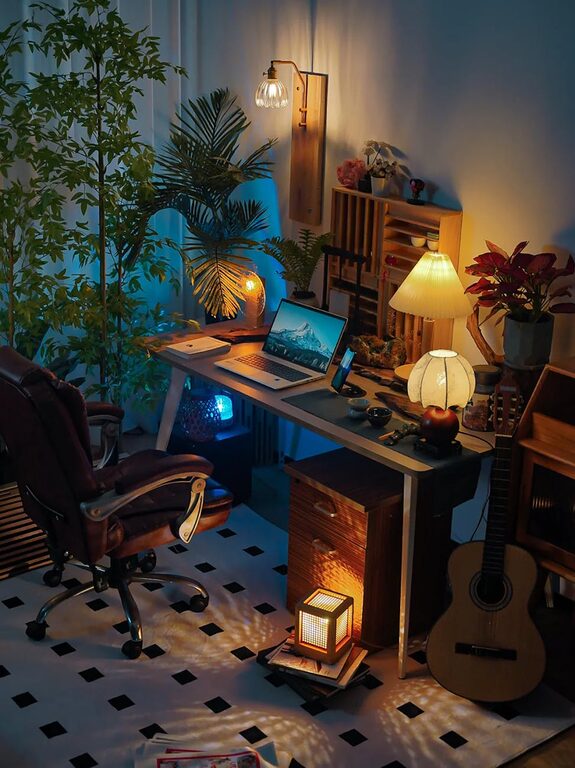
Use LED Lighting
Switch to LED bulbs, which use up to 75% less energy than traditional incandescent bulbs and last much longer. This simple change can cut your lighting costs and energy use significantly.
Choose Sustainable Materials
Building and decorating your home with sustainable materials is a great way to reduce environmental harm.
Opt for Natural and Recycled Materials
Wood from sustainably managed forests, bamboo, reclaimed wood, and recycled metal or glass are excellent choices. These materials reduce deforestation and waste.
Avoid Harmful Chemicals
Choose paints, finishes, and cleaners free of volatile organic compounds (VOCs). These substances can pollute indoor air and negatively affect your health.
Reduce Water Usage
Conserving water is essential for sustainability, especially in regions facing shortages.
Install Water-Saving Fixtures
Low-flow showerheads, faucets, and dual-flush toilets can dramatically lower water use without sacrificing performance.
Collect Rainwater
If possible, use a rainwater harvesting system for garden irrigation or cleaning purposes. This reduces demand on municipal water supplies.
Fix Leaks Promptly
A dripping faucet or leaking toilet may seem minor but can waste hundreds of gallons of water annually.
Manage Waste Responsibly
Reducing waste benefits your home and the environment.
Recycle and Compost
Set up convenient recycling bins and compost organic kitchen waste. Composting reduces landfill contributions and provides nutrient-rich soil for gardens.
Choose Reusable Products
Opt for reusable cloths, containers, and shopping bags instead of single-use items. This minimizes plastic waste in your household.
Create a Healthy Indoor Environment
Sustainability also includes your home’s indoor air quality and natural comfort.
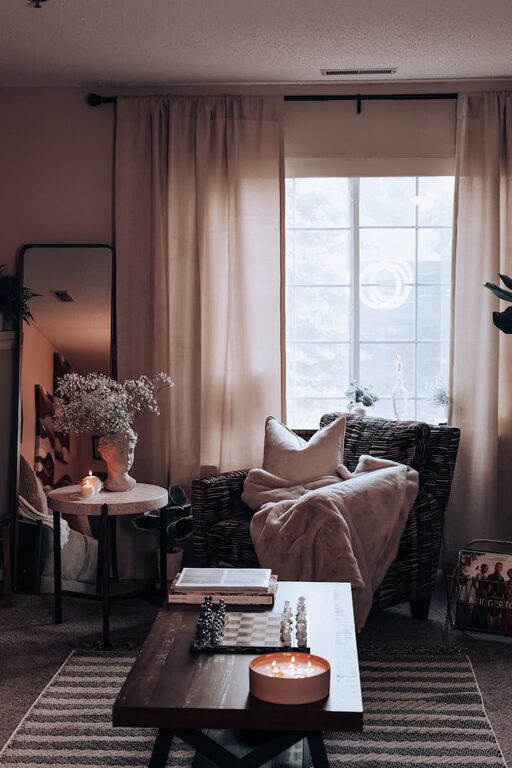
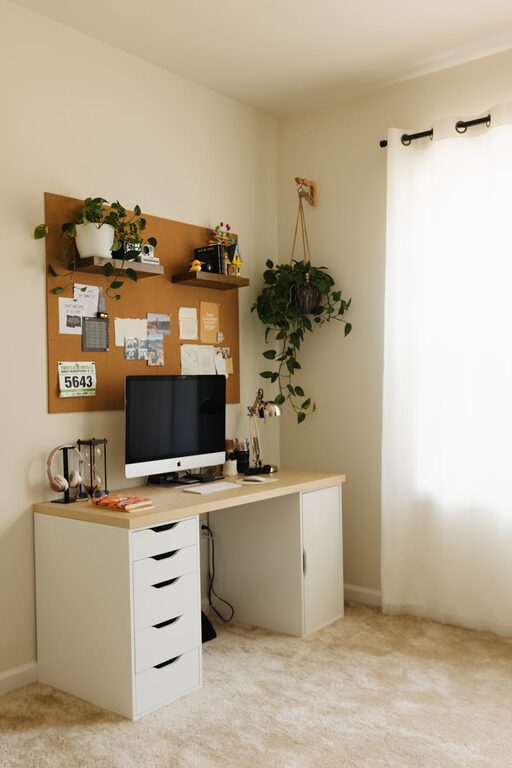
Bring in Indoor Plants
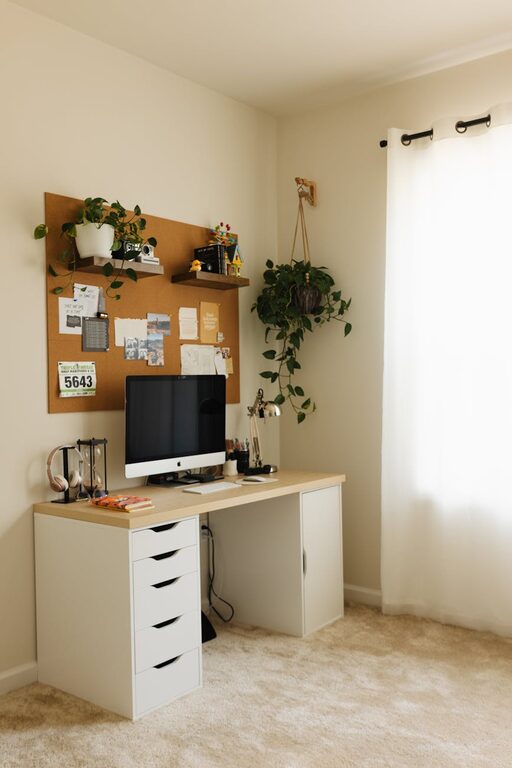
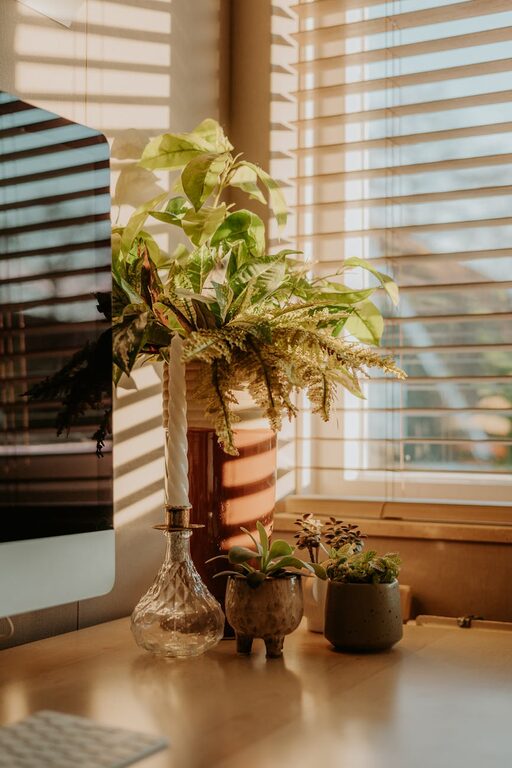
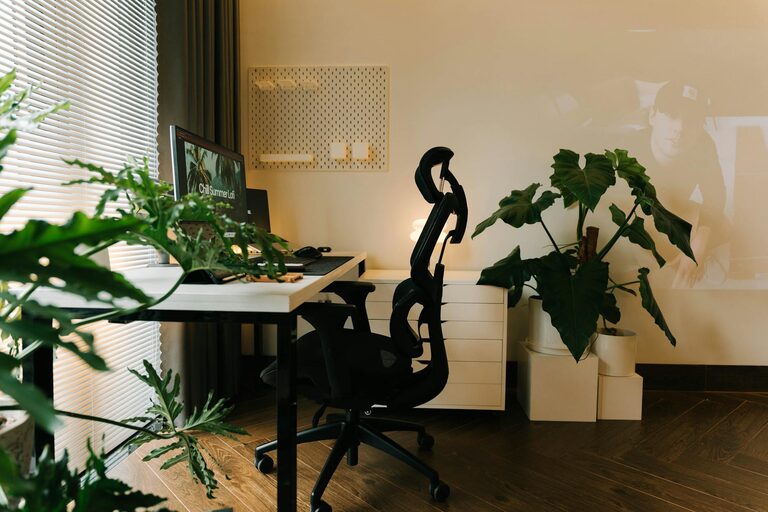
Plants like spider plants, peace lilies, and snake plants help purify indoor air. They also add natural beauty and reduce stress.
Increase Natural Light and Ventilation
Maximize windows and use breathable curtains to enhance daylight and airflow, reducing reliance on artificial lighting and air conditioning.
Avoid Synthetic Fragrances
Scented candles and air fresheners often contain chemicals. Use essential oils or natural alternatives for a pleasant home scent.
Integrate Renewable Energy Sources
If possible, consider installing solar panels or a small wind turbine to generate your own clean energy. This reduces reliance on fossil fuels and may provide financial benefits through energy savings or incentives.
Maintain a Sustainable Lifestyle
Your habits play a vital role in supporting an eco-friendly home.
– Buy Locally and Seasonally: This reduces transportation emissions and supports local economy.
– Minimize Meat Consumption: Incorporate more plant-based meals, which typically have a lower environmental footprint.
– Practice Mindful Consumption: Avoid overbuying and choose durable, quality products.
– Support Green Certifications: Look for eco-labels when purchasing furniture, appliances, or building materials.
Final Thoughts
Creating a sustainable and eco-friendly home is an ongoing process that begins with small, thoughtful steps. Whether you focus on energy efficiency, water conservation, sustainable materials, or healthier indoor spaces, every improvement helps build a more responsible future for your family and the planet.
Start with one or two ideas from this post and gradually expand your efforts. Sustainable living is both practical and rewarding—a positive change you can enjoy every day.